
Evidence Action
Evidence Action
Introduction
Evidence Action scales low-cost health interventions that improve the wellbeing of hundreds of millions of people in Africa and Asia. The organization currently has four programs: Safe Water Now, Deworm the World, Equal Vitamin Access, and Syphilis-Free Start. GiveWise supports the first two.
Evidence Action’s Accelerator drives new program development, refining high-potential and cost-effective interventions.
Their demonstrated impact includes:
Providing access to safe drinking water, which has saved more than 15,000 lives of children under 5 and averted over 3 million diarrhea cases in young children.
Helping governments deliver over 2 billion deworming treatments in the last decade, which is estimated to produce $23B in productivity gains.
Reaching over 515 million people globally with interventions since their founding.
The problem: scaling impactful interventions
In order to tackle extreme poverty at the level it exists, how do we bridge the gap between identifying evidence-based, cost-effective interventions that work and successfully scaling them up to improve the lives of millions?
The solution: expertise
Evidence Action’s mission is to be a world leader in scaling evidence-based and cost-effective programs to reduce the burden of poverty. Evidence Action takes evidence from rigorous research and uses their expertise in program delivery to design and implement interventions that have an impact on hundreds of millions of lives.
Evidence Action was incubated by Innovations for Poverty Action (IPA), a highly respected poverty research network. (IPA is another of The Life You Can Save’s recommended organizations).
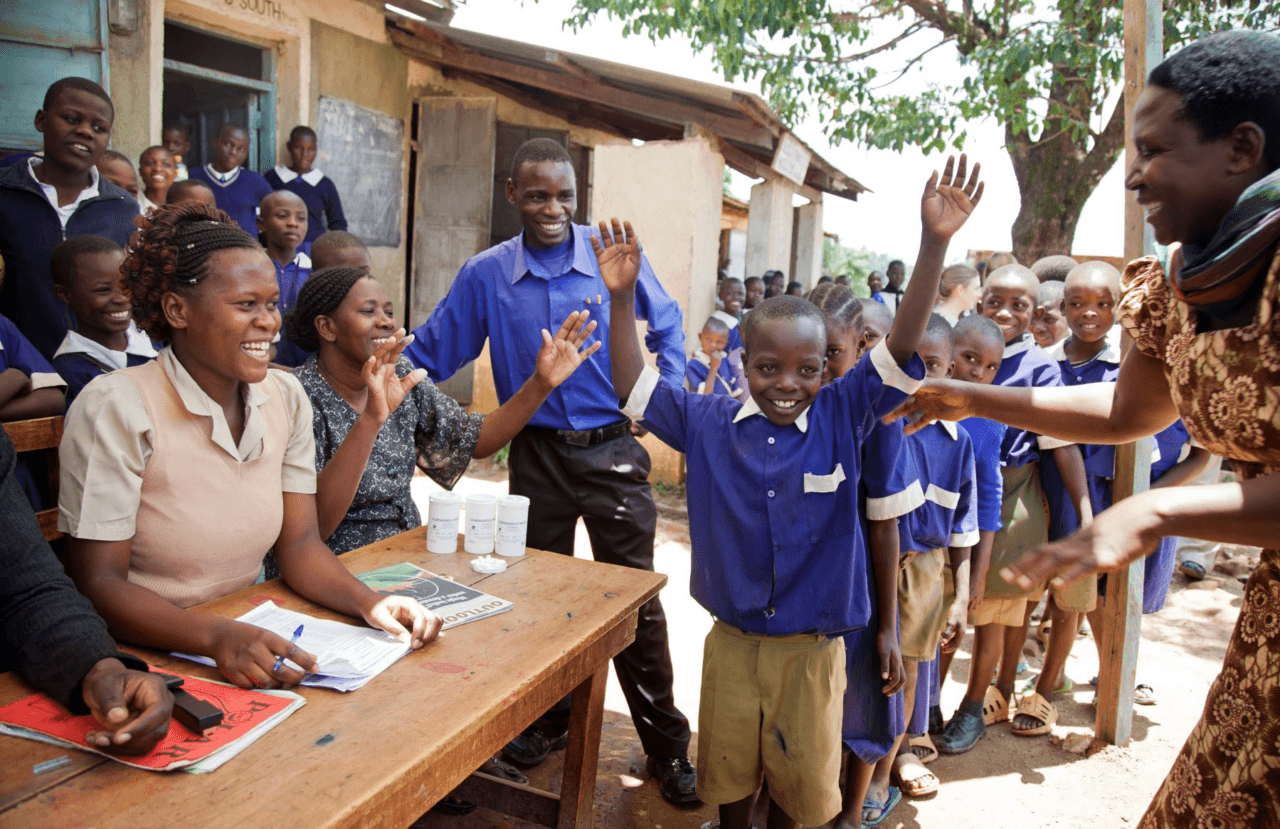
Deworm the World has helped governments deliver over 2 billion treatments, including 195 million in 2023.
How Evidence Action works
Safe Water Now
Every year, 1 million people die from diarrhea caused by unsafe drinking water, sanitation, and hand hygiene — and 525,000 of those deaths being children under five. Safe Water Now provides access to safe drinking water to millions of people in communities across Kenya, Uganda, Malawi, and India. The program is based on rigorous research that shows water treatment reduces under-five deaths by 25%, and is delivered through two complementary water treatment solutions:
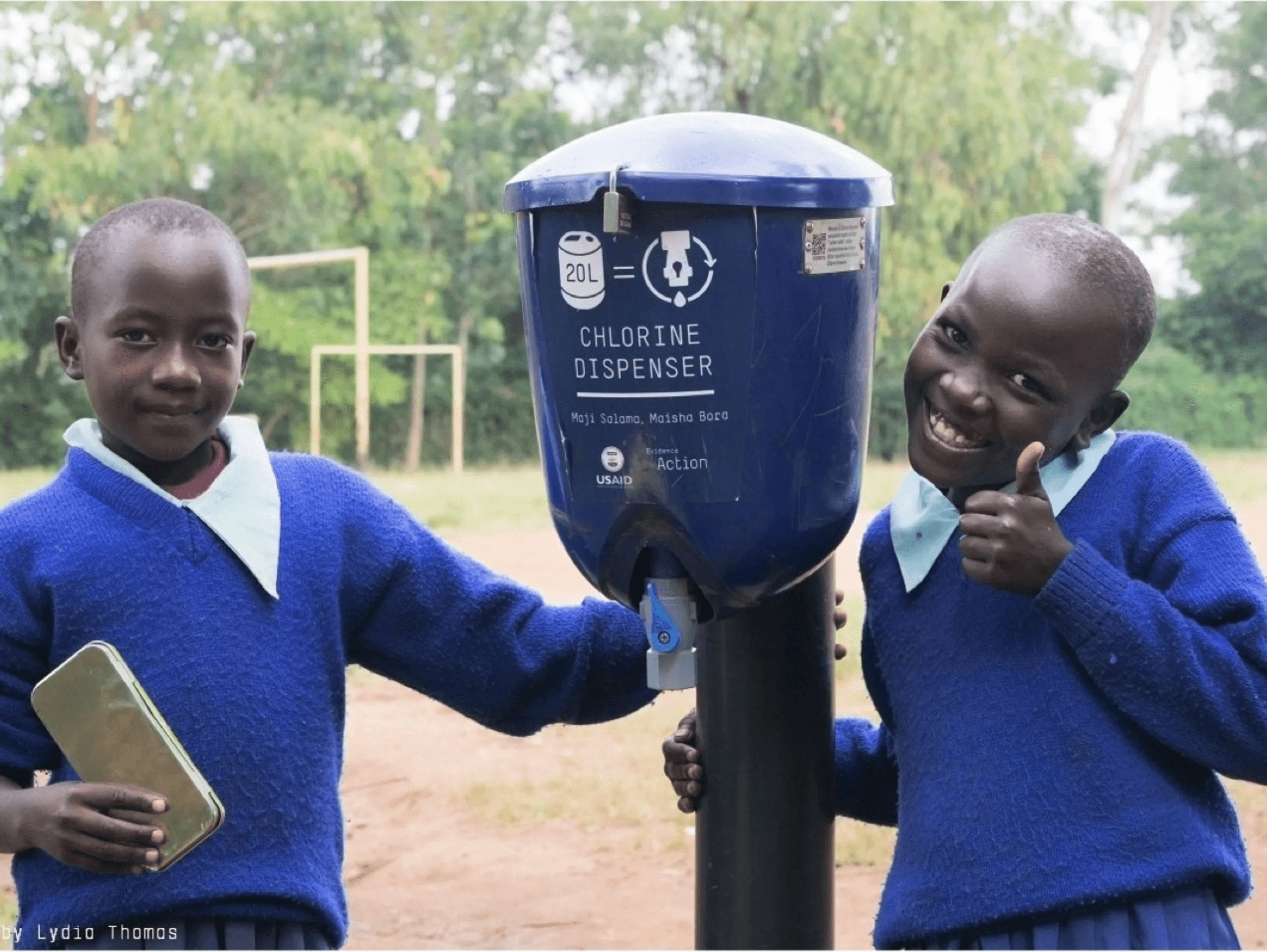
Chlorine dispensers: Evidence Action has a network of 52,000+ chlorine dispensers across rural communities in Africa. Maintained by over 100,000 local community volunteers, the dispensers are installed directly at water sources and enable safe water at the turn of a single valve.
In-line chlorination: For communal piped water systems — often found in peri-urban and urban communities — Evidence Action installs in-line chlorination devices directly on water tanks. As water flows, it’s automatically chlorinated in the correct dose.
Safe Water Now’s focus on human-centered design – requiring little to no behavioral change from the end user – yields chlorine adoption rates that are up to five times higher than other water treatment solutions and are sustained over time.
Deworm the World
There are more than 913 million children at risk for parasitic worm infections like soil-transmitted helminths and schistosomiasis. These worms interfere with nutrient absorption and cause malnourishment, anemia, and impaired mental and physical development; they also prevent children from attending school, which impacts their future success in life.
Deworm the World works with governments to implement large-scale school-based deworming programs Deworm the World has helped contribute to significant declines in worm prevalence in Kenya, and evidence from India indicates that success in reducing prevalence is being achieved there as well.
Introduction
Evidence Action scales low-cost health interventions that improve the wellbeing of hundreds of millions of people in Africa and Asia. The organization currently has four programs: Safe Water Now, Deworm the World, Equal Vitamin Access, and Syphilis-Free Start. GiveWise supports the first two.
Evidence Action’s Accelerator drives new program development, refining high-potential and cost-effective interventions.
Their demonstrated impact includes:
Providing access to safe drinking water, which has saved more than 15,000 lives of children under 5 and averted over 3 million diarrhea cases in young children.
Helping governments deliver over 2 billion deworming treatments in the last decade, which is estimated to produce $23B in productivity gains.
Reaching over 515 million people globally with interventions since their founding.
The problem: scaling impactful interventions
In order to tackle extreme poverty at the level it exists, how do we bridge the gap between identifying evidence-based, cost-effective interventions that work and successfully scaling them up to improve the lives of millions?
The solution: expertise
Evidence Action’s mission is to be a world leader in scaling evidence-based and cost-effective programs to reduce the burden of poverty. Evidence Action takes evidence from rigorous research and uses their expertise in program delivery to design and implement interventions that have an impact on hundreds of millions of lives.
Evidence Action was incubated by Innovations for Poverty Action (IPA), a highly respected poverty research network. (IPA is another of The Life You Can Save’s recommended organizations).
Deworm the World has helped governments deliver over 2 billion treatments, including 195 million in 2023.
How Evidence Action works
Safe Water Now
Every year, 1 million people die from diarrhea caused by unsafe drinking water, sanitation, and hand hygiene — and 525,000 of those deaths being children under five. Safe Water Now provides access to safe drinking water to millions of people in communities across Kenya, Uganda, Malawi, and India. The program is based on rigorous research that shows water treatment reduces under-five deaths by 25%, and is delivered through two complementary water treatment solutions:
Chlorine dispensers: Evidence Action has a network of 52,000+ chlorine dispensers across rural communities in Africa. Maintained by over 100,000 local community volunteers, the dispensers are installed directly at water sources and enable safe water at the turn of a single valve.
In-line chlorination: For communal piped water systems — often found in peri-urban and urban communities — Evidence Action installs in-line chlorination devices directly on water tanks. As water flows, it’s automatically chlorinated in the correct dose.
Safe Water Now’s focus on human-centered design – requiring little to no behavioral change from the end user – yields chlorine adoption rates that are up to five times higher than other water treatment solutions and are sustained over time.
Deworm the World
There are more than 913 million children at risk for parasitic worm infections like soil-transmitted helminths and schistosomiasis. These worms interfere with nutrient absorption and cause malnourishment, anemia, and impaired mental and physical development; they also prevent children from attending school, which impacts their future success in life.
Deworm the World works with governments to implement large-scale school-based deworming programs Deworm the World has helped contribute to significant declines in worm prevalence in Kenya, and evidence from India indicates that success in reducing prevalence is being achieved there as well.
Related
Related
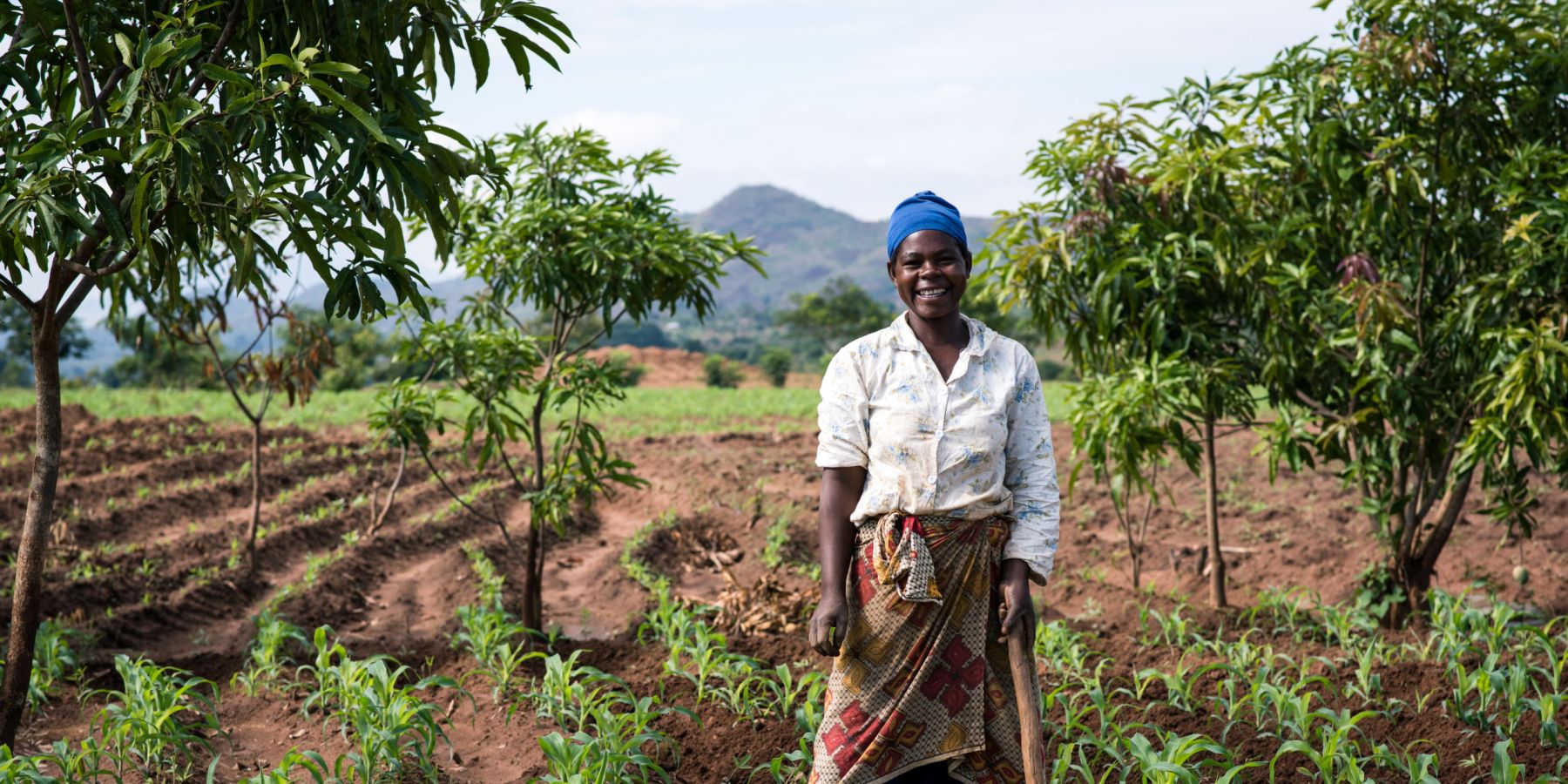
One Acre Fund
One Acre Fund helps smallholder African farmers boost productivity by delivering a bundle of services directly to their doorsteps, including start-up financing, high-quality farming inputs, agricultural training, and market facilitation to help maximize profits.
StrongMinds
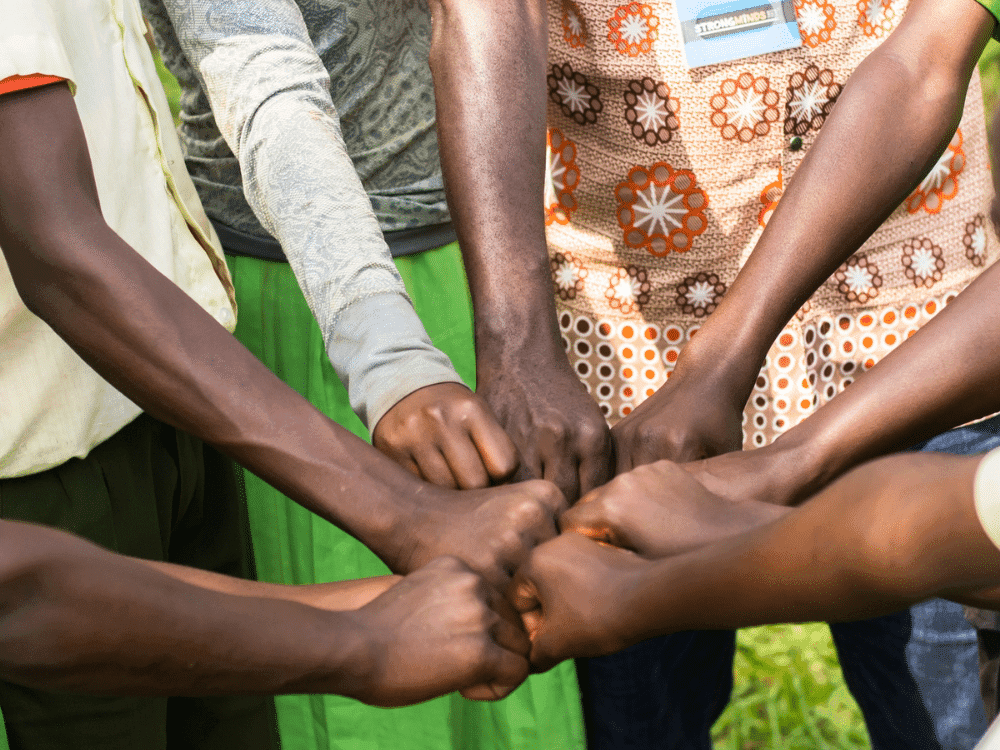
StrongMinds tackles the silent crisis of depression in Africa by providing free, evidence-based group talk therapy to women and adolescents, empowering them to heal and thrive within their communities.
GiveWell All Grants Fund
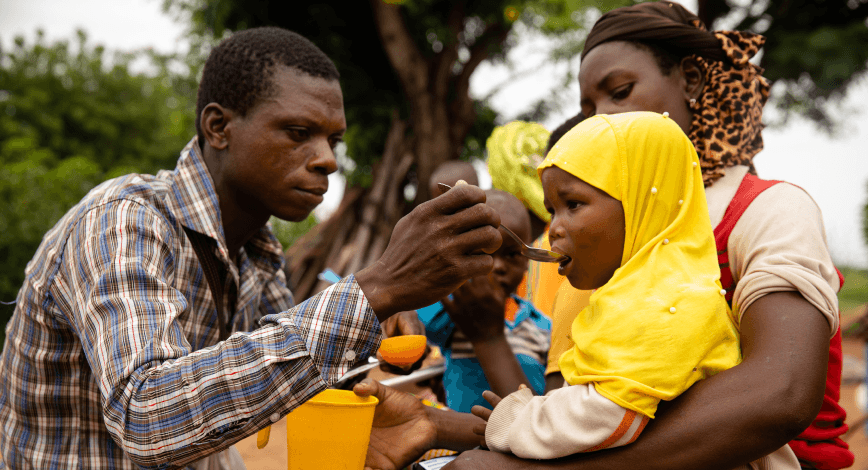
With an expert-led fund, donors pool their money to be distributed as effectively as possible.
One Acre Fund
One Acre Fund helps smallholder African farmers boost productivity by delivering a bundle of services directly to their doorsteps, including start-up financing, high-quality farming inputs, agricultural training, and market facilitation to help maximize profits.
One Acre Fund
One Acre Fund helps smallholder African farmers boost productivity by delivering a bundle of services directly to their doorsteps, including start-up financing, high-quality farming inputs, agricultural training, and market facilitation to help maximize profits.
StrongMinds
StrongMinds tackles the silent crisis of depression in Africa by providing free, evidence-based group talk therapy to women and adolescents, empowering them to heal and thrive within their communities.