
GiveDirectly
GiveDirectly
Introduction
GiveDirectly provides unconditional cash transfers using cellphone technology to some of the world’s poorest people, as well as refugees, urban youth, and disaster victims. They also are currently running a historic Universal Basic Income initiative, delivering a basic income to 20,000+ people in Kenya in a twelve-year study.
Their annual demonstrated impact includes:
Sending cash transfers to 139,968 people in 12 countries.
Improving government relations to scale their Africa-based poverty relief programs, refining their ability to respond to international crises.
Scoping expansion in India and Bangladesh.
The problem: traditional methods of international giving are complex — and often inefficient
Often, donors give money to a charity, which then passes along the funds to partners at the local level. This makes it difficult for donors to determine how their money will be used and whether it will reach its intended recipients. Additionally, charities often provide interventions that may not be what the recipients actually need to improve their lives. Such an approach can treat recipients as passive beneficiaries rather than knowledgeable and empowered shapers of their own lives.
The solution: unconditional cash transfers
Most poverty relief initiatives require complicated infrastructure, and alleviate the symptoms of poverty rather than striking at the source. By contrast, unconditional cash transfers are straightforward, providing funds to some of the poorest people in the world so that they can buy the essentials they need to set themselves up for future success.
Cash transfers are relatively well-studied compared to other forms of charitable aid. Numerous studies have shown that this approach changes lives for the better. Several of the studies have found that cash transfers improve child health and schooling, while savings and investment rates are typically high.
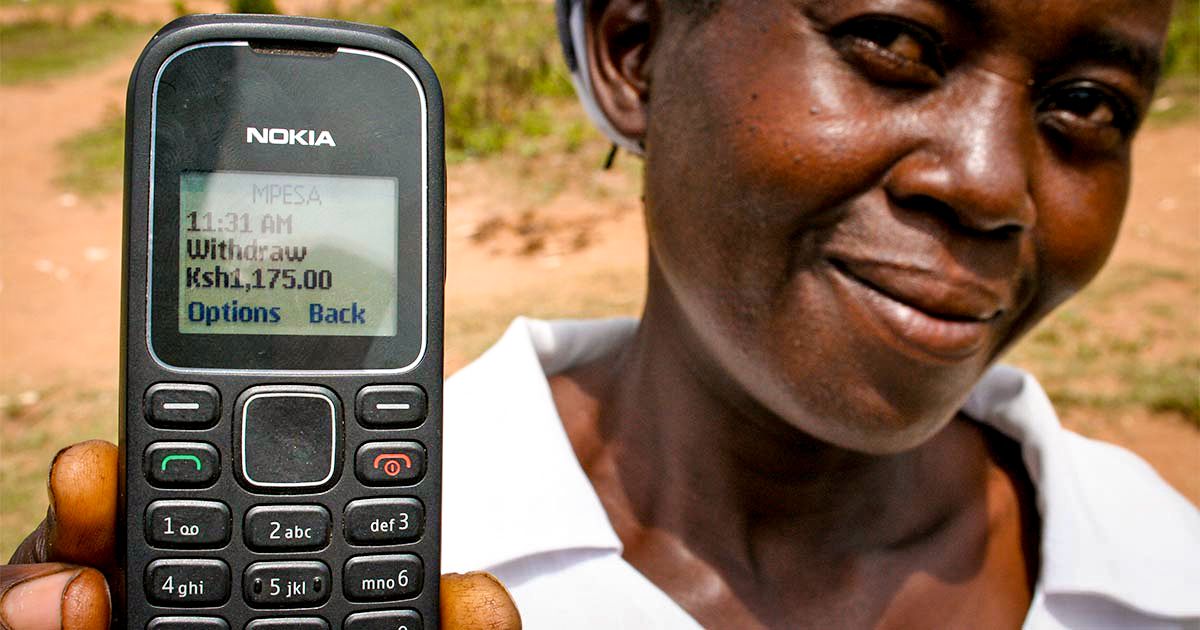
Studies have found that cash transfers improve child health and schooling, while savings and investment rates are typically high.
How GiveDirectly works
GiveDirectly is the first and largest nonprofit that lets donors send money directly to the world’s poorest people in Kenya, Uganda, Rwanda, Liberia, the Democratic Republic of Congo, and Malawi. [2] These direct cash transfers allow families to spend on whatever they need most: food and shelter, education costs, investing in their own businesses, purchasing medicine, etc.
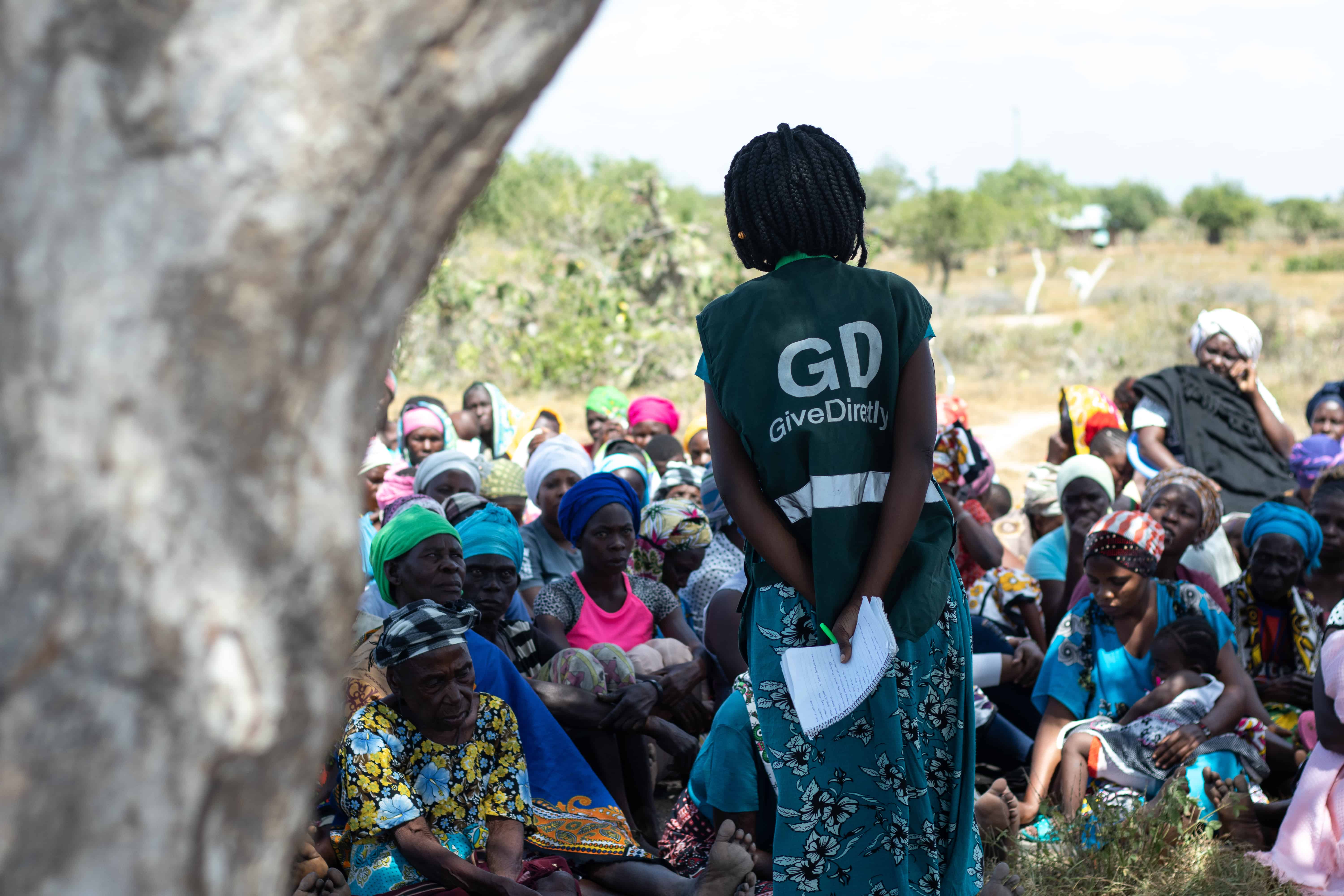
GiveDirectly uses a rigorous, data-driven model to oversee the entire transfer process end-to-end — without a middleman or partner charity. They use national data and door-to-door surveys to seek out the poorest households to receive transfers. Recipients are selected using a range of criteria that vary by region, including housing materials, assets, and vulnerable recipient status. They then transfer approximately US$1,000 (amounts vary roughly by program) to the family using a mobile payment system.
Besides their standard unconditional cash transfer programs, GiveDirectly is also running innovative cash projects including:
A historic Universal Basic Income initiative, delivering a basic income to 20,000+ people in Kenya in a 12-year study, the largest randomized control trial on UBI to date.
A large-scale cash transfer program targeting refugees and host families in Uganda and Rwanda.
An urban youth program to deliver cash transfers to individuals aged 18–35 living in Mathare, Kenya.
Cash transfers for disaster victims, an increasingly recognized form of effective assistance in these dire circumstances. (The UN Secretary General has noted that, “Where markets and operational contexts permit, cash-based programming should be the preferred and default method of support.”)
Introduction
GiveDirectly provides unconditional cash transfers using cellphone technology to some of the world’s poorest people, as well as refugees, urban youth, and disaster victims. They also are currently running a historic Universal Basic Income initiative, delivering a basic income to 20,000+ people in Kenya in a twelve-year study.
Their annual demonstrated impact includes:
Sending cash transfers to 139,968 people in 12 countries.
Improving government relations to scale their Africa-based poverty relief programs, refining their ability to respond to international crises.
Scoping expansion in India and Bangladesh.
The problem: traditional methods of international giving are complex — and often inefficient
Often, donors give money to a charity, which then passes along the funds to partners at the local level. This makes it difficult for donors to determine how their money will be used and whether it will reach its intended recipients. Additionally, charities often provide interventions that may not be what the recipients actually need to improve their lives. Such an approach can treat recipients as passive beneficiaries rather than knowledgeable and empowered shapers of their own lives.
The solution: unconditional cash transfers
Most poverty relief initiatives require complicated infrastructure, and alleviate the symptoms of poverty rather than striking at the source. By contrast, unconditional cash transfers are straightforward, providing funds to some of the poorest people in the world so that they can buy the essentials they need to set themselves up for future success.
Cash transfers are relatively well-studied compared to other forms of charitable aid. Numerous studies have shown that this approach changes lives for the better. Several of the studies have found that cash transfers improve child health and schooling, while savings and investment rates are typically high.
Studies have found that cash transfers improve child health and schooling, while savings and investment rates are typically high.
How GiveDirectly works
GiveDirectly is the first and largest nonprofit that lets donors send money directly to the world’s poorest people in Kenya, Uganda, Rwanda, Liberia, the Democratic Republic of Congo, and Malawi. [2] These direct cash transfers allow families to spend on whatever they need most: food and shelter, education costs, investing in their own businesses, purchasing medicine, etc.
GiveDirectly uses a rigorous, data-driven model to oversee the entire transfer process end-to-end — without a middleman or partner charity. They use national data and door-to-door surveys to seek out the poorest households to receive transfers. Recipients are selected using a range of criteria that vary by region, including housing materials, assets, and vulnerable recipient status. They then transfer approximately US$1,000 (amounts vary roughly by program) to the family using a mobile payment system.
Besides their standard unconditional cash transfer programs, GiveDirectly is also running innovative cash projects including:
A historic Universal Basic Income initiative, delivering a basic income to 20,000+ people in Kenya in a 12-year study, the largest randomized control trial on UBI to date.
A large-scale cash transfer program targeting refugees and host families in Uganda and Rwanda.
An urban youth program to deliver cash transfers to individuals aged 18–35 living in Mathare, Kenya.
Cash transfers for disaster victims, an increasingly recognized form of effective assistance in these dire circumstances. (The UN Secretary General has noted that, “Where markets and operational contexts permit, cash-based programming should be the preferred and default method of support.”)
Related
Related
One Acre Fund
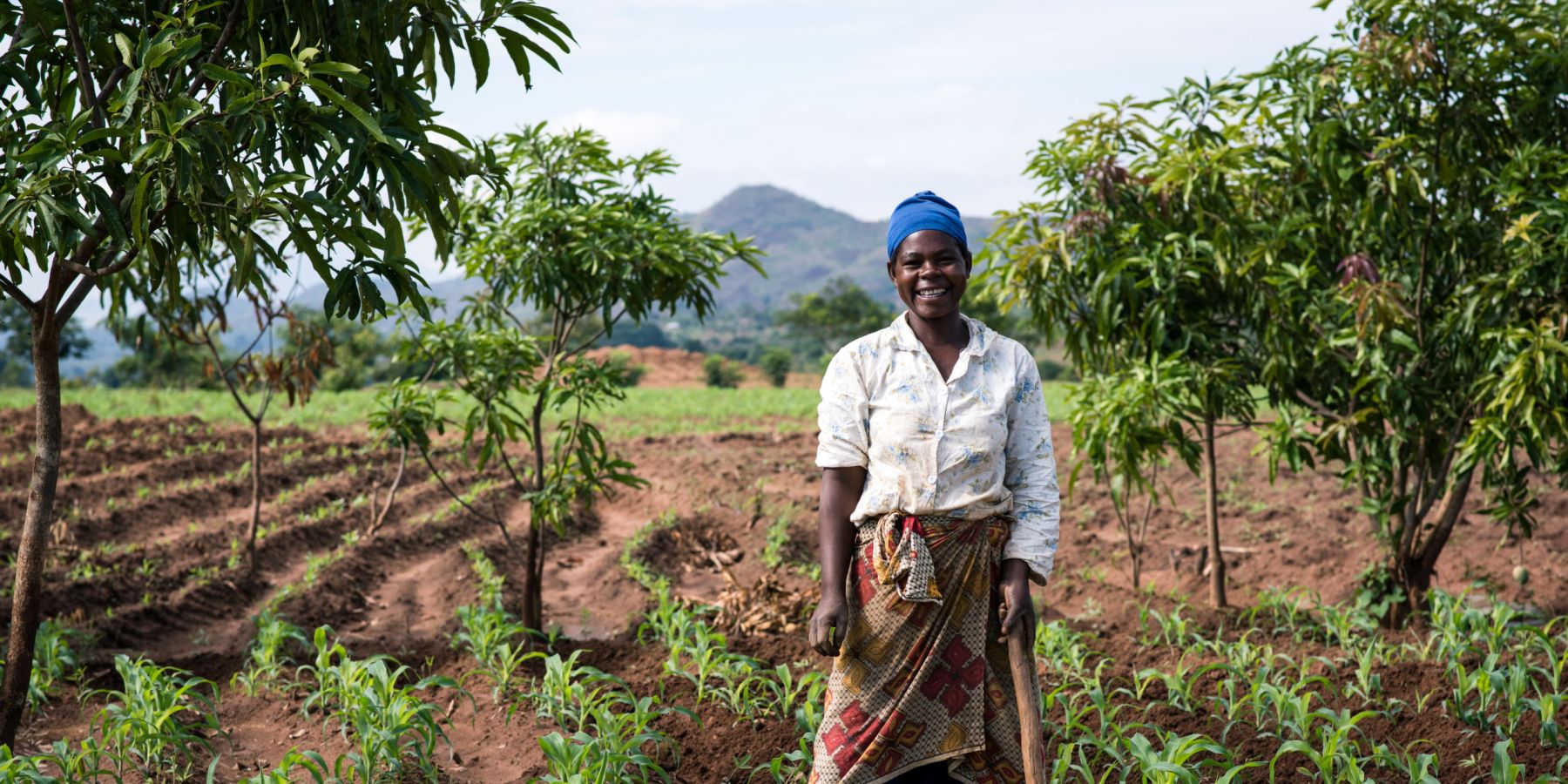
One Acre Fund helps smallholder African farmers boost productivity by delivering a bundle of services directly to their doorsteps, including start-up financing, high-quality farming inputs, agricultural training, and market facilitation to help maximize profits.
StrongMinds
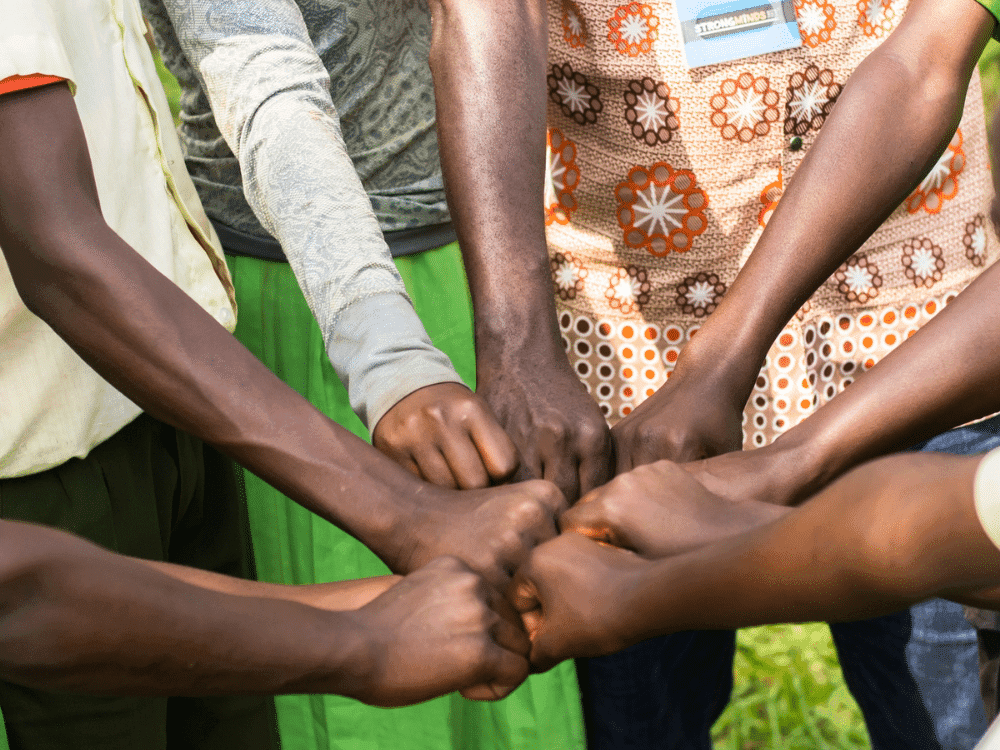
StrongMinds tackles the silent crisis of depression in Africa by providing free, evidence-based group talk therapy to women and adolescents, empowering them to heal and thrive within their communities.
GiveWell All Grants Fund
With an expert-led fund, donors pool their money to be distributed as effectively as possible.
One Acre Fund
One Acre Fund helps smallholder African farmers boost productivity by delivering a bundle of services directly to their doorsteps, including start-up financing, high-quality farming inputs, agricultural training, and market facilitation to help maximize profits.
One Acre Fund
One Acre Fund helps smallholder African farmers boost productivity by delivering a bundle of services directly to their doorsteps, including start-up financing, high-quality farming inputs, agricultural training, and market facilitation to help maximize profits.
StrongMinds
StrongMinds tackles the silent crisis of depression in Africa by providing free, evidence-based group talk therapy to women and adolescents, empowering them to heal and thrive within their communities.