
Unlimit Health
Unlimit Health
Introduction
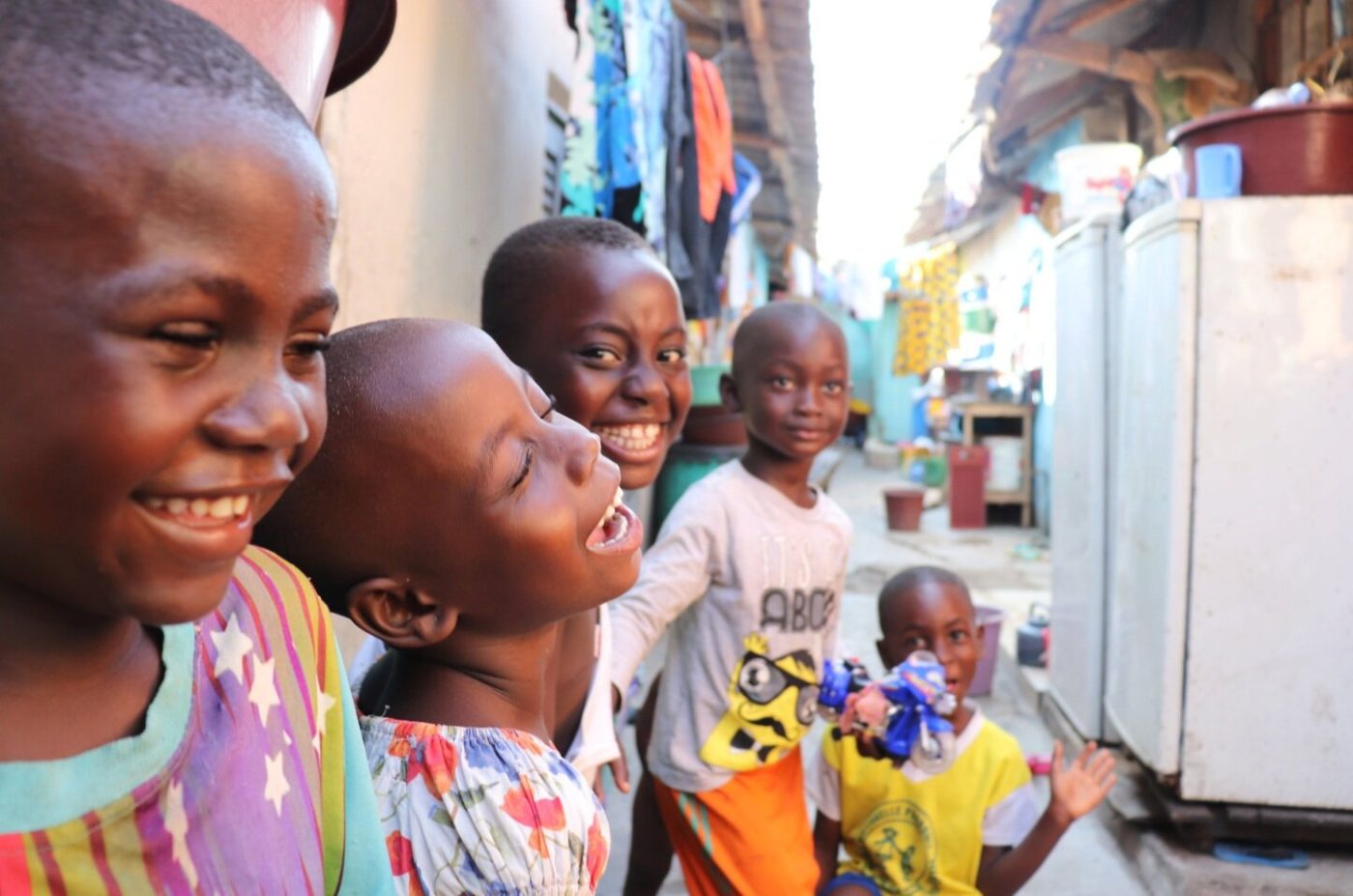
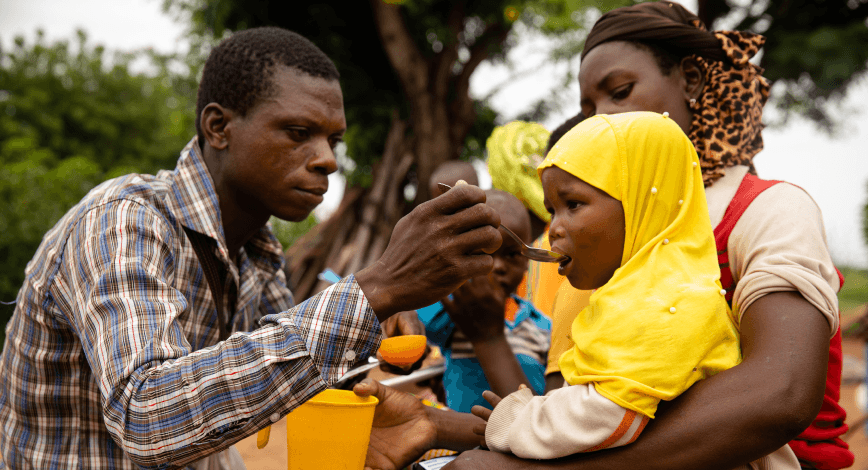
Unlimit Health works with Ministries of Health and Education in sub-Saharan African countries to support programs controlling and eliminating two types of parasitic worm infections: schistosomiasis and soil-transmitted helminthiasis. The majority of programs treat school-aged children, but can also include at risk adults.
Their annual demonstrated impact includes:
Developing a new strategy for sustainable impact and disease elimination, including water and sanitation-focused approaches to reducing disease transmission, which complements extensive treatment programs.
Testing an approach to community-driven planning of environmental and behavioral action to reduce the risk of transmission of schistosomiasis.
The problem: intestinal worms and parasites
Schistosomiasis (shis-toe-so-my-a-sis) and soil-transmitted helminthiasis (STH) are both what the World Health Organization calls “neglected tropical diseases,” which affect the poorest and most marginalized communities in the world. Schistosomiasis is carried by freshwater snails and transmitted through contaminated water during everyday activities, such as bathing, fishing, and washing clothes in lakes, rivers, or ponds. STH is caused by a group of intestinal parasites, and is transmitted through soil contaminated with human feces.
The World Health Organization estimates that 206 million people are affected by schistosomiasis and 1.5 billion are infected with STH. Infection with these parasites can result in anemia, blood in urine, abdominal pain, and genital discomfort. These symptoms can lead to impaired cognitive development and reduced school attendance; longer-term effects include stunted growth, internal organ damage (such as liver fibrosis), increased risk of HIV infection, and bladder cancer.
The solution: cost-effective school deworming programs
Mass deworming programs — typically run by national governments — provide those living in at-risk communities the medication needed to treat STH and schistosomiasis infections. These programs have a strong track record of success and are highly cost-effective, generally at around 43 cents per child per year.
The World Health Organization estimates that 206 million people are affected by schistosomiasis and 1.5 billion are infected with STH.
How Unlimit Health works
Unlimit Health (formerly SCI Foundation) does not have country offices or local staff. Rather, they work directly with government programs to help deliver services through existing health care systems. By providing technical support, Unlimit Health can remain agile and responsive, and focus on building capacity and maximizing efficiency. Plus, working in partnership increases their organizational cost effectiveness, while reducing duplicative efforts.
Introduction
Unlimit Health works with Ministries of Health and Education in sub-Saharan African countries to support programs controlling and eliminating two types of parasitic worm infections: schistosomiasis and soil-transmitted helminthiasis. The majority of programs treat school-aged children, but can also include at risk adults.
Their annual demonstrated impact includes:
Developing a new strategy for sustainable impact and disease elimination, including water and sanitation-focused approaches to reducing disease transmission, which complements extensive treatment programs.
Testing an approach to community-driven planning of environmental and behavioral action to reduce the risk of transmission of schistosomiasis.
The problem: intestinal worms and parasites
Schistosomiasis (shis-toe-so-my-a-sis) and soil-transmitted helminthiasis (STH) are both what the World Health Organization calls “neglected tropical diseases,” which affect the poorest and most marginalized communities in the world. Schistosomiasis is carried by freshwater snails and transmitted through contaminated water during everyday activities, such as bathing, fishing, and washing clothes in lakes, rivers, or ponds. STH is caused by a group of intestinal parasites, and is transmitted through soil contaminated with human feces.
The World Health Organization estimates that 206 million people are affected by schistosomiasis and 1.5 billion are infected with STH. Infection with these parasites can result in anemia, blood in urine, abdominal pain, and genital discomfort. These symptoms can lead to impaired cognitive development and reduced school attendance; longer-term effects include stunted growth, internal organ damage (such as liver fibrosis), increased risk of HIV infection, and bladder cancer.
The solution: cost-effective school deworming programs
Mass deworming programs — typically run by national governments — provide those living in at-risk communities the medication needed to treat STH and schistosomiasis infections. These programs have a strong track record of success and are highly cost-effective, generally at around 43 cents per child per year.
The World Health Organization estimates that 206 million people are affected by schistosomiasis and 1.5 billion are infected with STH.
How Unlimit Health works
Unlimit Health (formerly SCI Foundation) does not have country offices or local staff. Rather, they work directly with government programs to help deliver services through existing health care systems. By providing technical support, Unlimit Health can remain agile and responsive, and focus on building capacity and maximizing efficiency. Plus, working in partnership increases their organizational cost effectiveness, while reducing duplicative efforts.
Related
Related
One Acre Fund
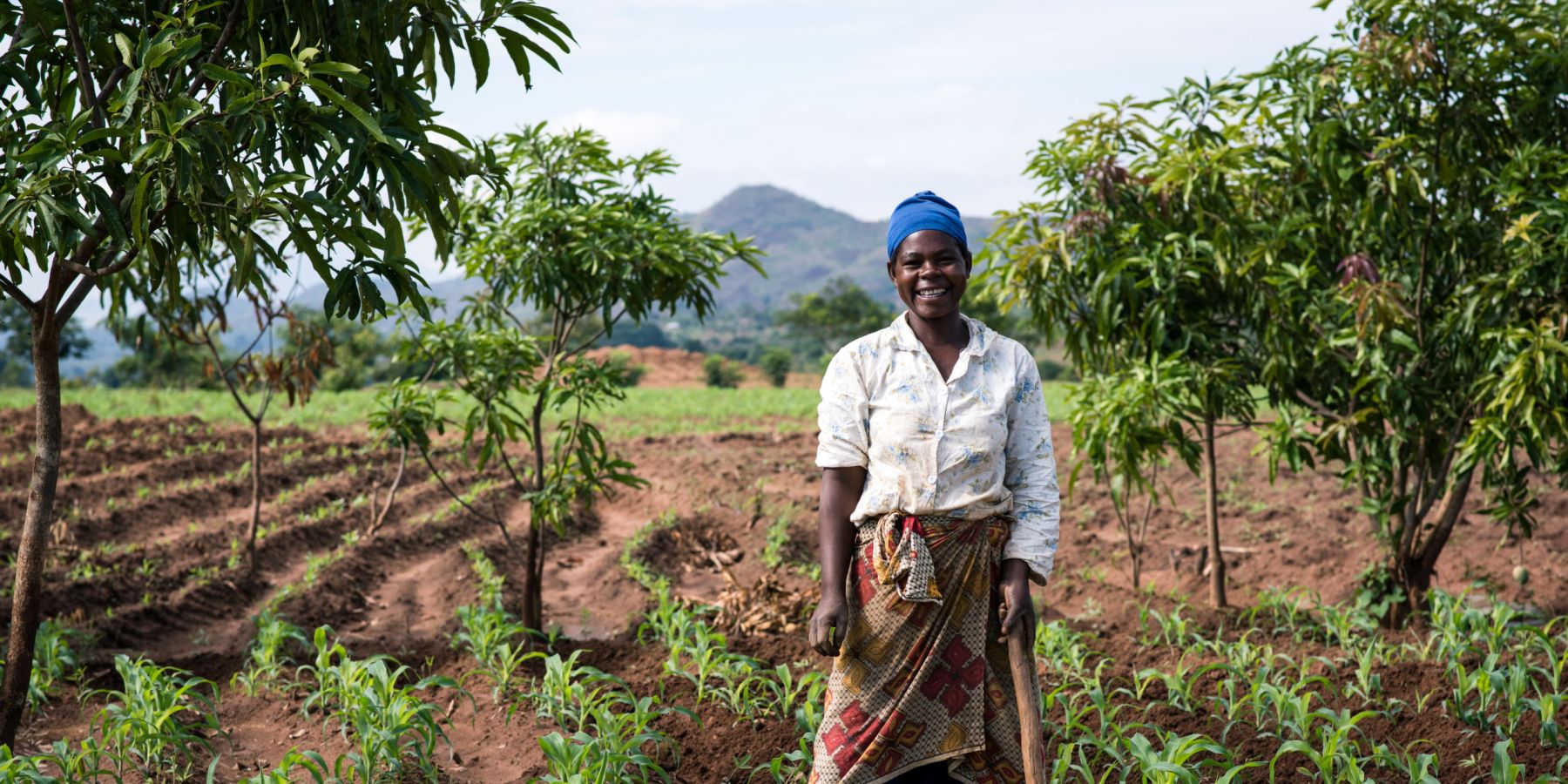
One Acre Fund helps smallholder African farmers boost productivity by delivering a bundle of services directly to their doorsteps, including start-up financing, high-quality farming inputs, agricultural training, and market facilitation to help maximize profits.
StrongMinds
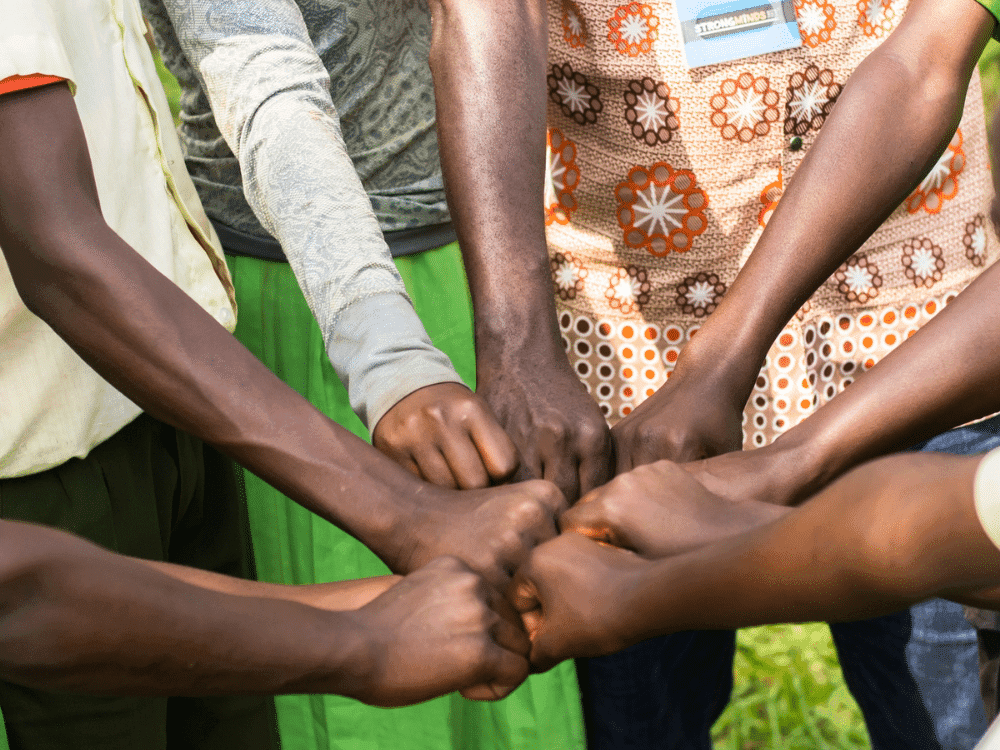
StrongMinds tackles the silent crisis of depression in Africa by providing free, evidence-based group talk therapy to women and adolescents, empowering them to heal and thrive within their communities.
GiveWell All Grants Fund
With an expert-led fund, donors pool their money to be distributed as effectively as possible.
One Acre Fund
One Acre Fund helps smallholder African farmers boost productivity by delivering a bundle of services directly to their doorsteps, including start-up financing, high-quality farming inputs, agricultural training, and market facilitation to help maximize profits.
One Acre Fund
One Acre Fund helps smallholder African farmers boost productivity by delivering a bundle of services directly to their doorsteps, including start-up financing, high-quality farming inputs, agricultural training, and market facilitation to help maximize profits.
StrongMinds
StrongMinds tackles the silent crisis of depression in Africa by providing free, evidence-based group talk therapy to women and adolescents, empowering them to heal and thrive within their communities.